Essential Bouldering Gear: Top 10 Must-Have Items
You get to the gym, open your bag, and realize you forgot your chalk—or a change of clothes. We’ve all been there.
Bouldering doesn’t require a ton of gear, but a few smart essentials can make every session more comfortable and safer. Whether you’re new to climbing or a regular at the gym, having the right essential bouldering gear makes every session smoother and more fun.
This 10‑item bouldering gear checklist helps you pack once and climb more, with fewer ‘oops’ moments.
Top 10 Essential Bouldering Gear Items
1. Spare a Change of Clothes
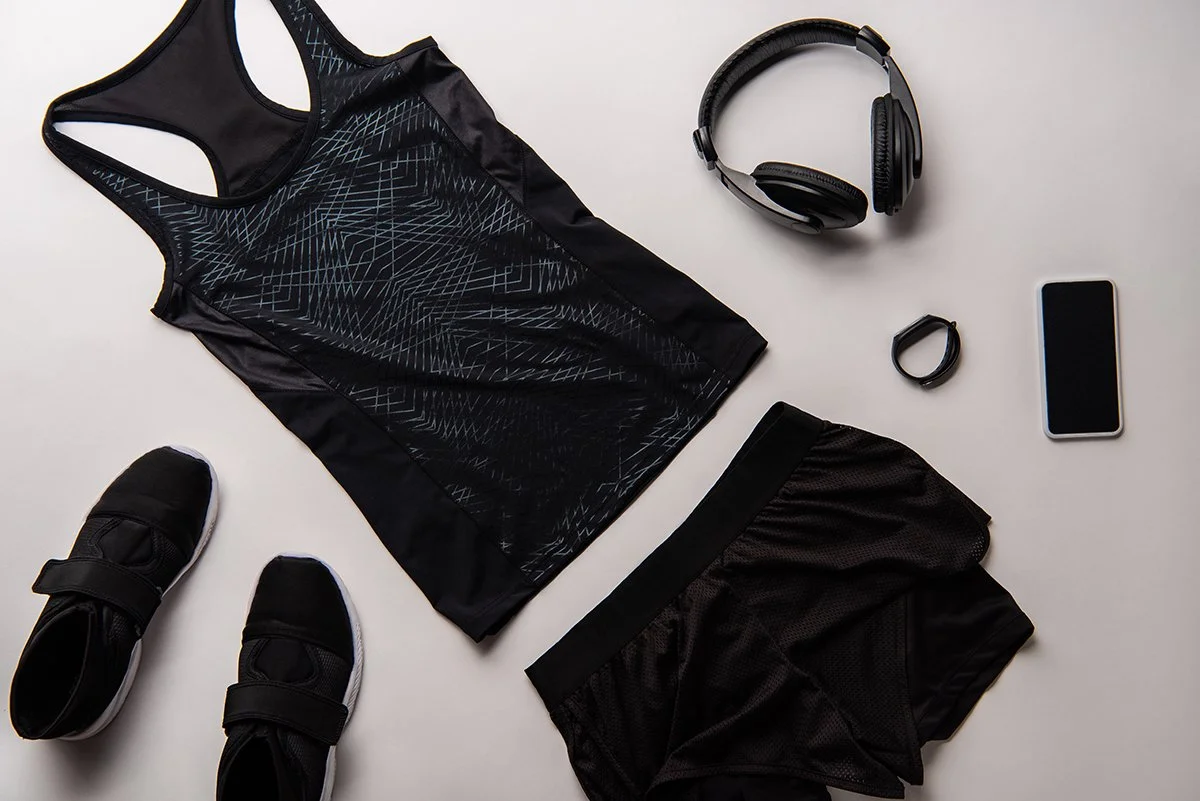
Keep a simple backup outfit—like stretchy shorts and a breathable top—in your gym bag. If you forget to change after work or rip a seam on a big move, you won’t have to cut your session short.
2. Climbing Shoes
Out of all things on this list, having a pair of climbing shoes will help increase your abilities as a climber. Although many gyms offer rental shoes, having a pair of shoes tailored to your climbing abilities and comfort could increase your commitment to climbing. Depending on your motivation, some athletes have multiple pairs of shoes that fulfill different needs. Some have a more talon-like angle, while others use different rubber to help.
3. Chalk & Grip Essentials
Most boulderers rely on some combo of chalk and tools to keep their hands dry and holds grippy. Here’s how each fits into your kit:
Chalk: Magnesium carbonate. The moisture-wicking material keeps your hands dry and on the wall.
Chalk Bucket: Chalk buckets hold all your chalk. Buckets come in an array of sizes, colors, and features. With a bucket, you’ll chalk up your hands to your heart's desire.
Chalk Bag: Although smaller, chalk bags are very useful; you can strap them to your body. This opens the door to being able to chalk up throughout your climbs, whether you’re bouldering, top rope, or sport climbing. Many use a chalk ball or sock to coat their hands evenly, reducing the risk of loose chalk dusting the ground or their belayer below.
Liquid Chalk: For those who’d rather skip powdered chalk but still want to keep their hands dry. Liquid chalk is for you. With the combination of chalk, isopropyl alcohol, and sometimes other drying agents, liquid chalk allows you to apply an even layer without the mess that powdered chalk leads to. Furthermore, since you’re applying isopropyl alcohol, liquid chalk doubles as a disinfectant for the dirt and grime from the walls. Be aware, though, that it is not a medical‑grade disinfectant, so it does not replace washing hands.
Chalk Brush: With all this talk of chalk, it can be noted that over time, the walls accumulate with a pretty heavy coat of chalk. That’s when the chalk brush comes in handy. Brushing off all the chalk, dirt, shoe rubber, or anything else that could be on the wall, leaving you with a higher chance of sticking to the wall when attempting to send. Gyms sometimes provide stick brushes, allowing you to brush out-of-reach holds without climbing. But having your own brush eliminates the need to search for one, and the awkwardness of brushing is kept close to the ground with a six- or seven-foot stick brush.
7. Fuel (Snacks, Water, Electrolytes)
For our long session climbers. Packing snacks with protein or sugar can help refuel your sessions. Things like single-packet peanut butter, fruits (fresh or dried), and trail mix can all help replenish your body before you hop back on the wall. Hydration is also important. Liquids with electrolytes can not only rehydrate, but also further replenish your energy.
8. Tape
Whether it’s before you start or halfway through, tape can really help you make it through your session. For those who love dynamic movements, flappers and blisters happen. That said, finger-specific or athletic tape can be handy for preventing further damage to your skin. While climbing, if you scrape your body, covering the blood not only keeps it from getting dirt and chalk in, but also protects others by preventing your blood from getting on the walls. If your pulleys feel slightly funky, after properly warming them up, apply tape to stabilize and/or restrict their movement. Be mindful of whether it’s better to take a rest day. When it comes to pulley injuries, the best recovery method is rest.
9. Skin File
Speaking of blisters, the best way to prevent them is to ensure that your hands have a smooth surface to work with. That can be done using a skin file. These can be nail files or blister-specific skin files. Janja Garnbret and many other professional athletes use battery-powered skin files, making it easier and faster to file down excess skin. Warning: Be mindful of how much you file down. You want to file down excess skin where your skin is flat, but you don’t want to file down live skin. If you’re unsure how much you should file down, file down less than you think. Focus only on thick calluses and rough edges—if it hurts or bleeds, you’ve gone too far. Over time, you’ll learn how much to file. Remember: you can always file down skin during your sessions, but you can’t unfile down skin.
10. Hand Balm
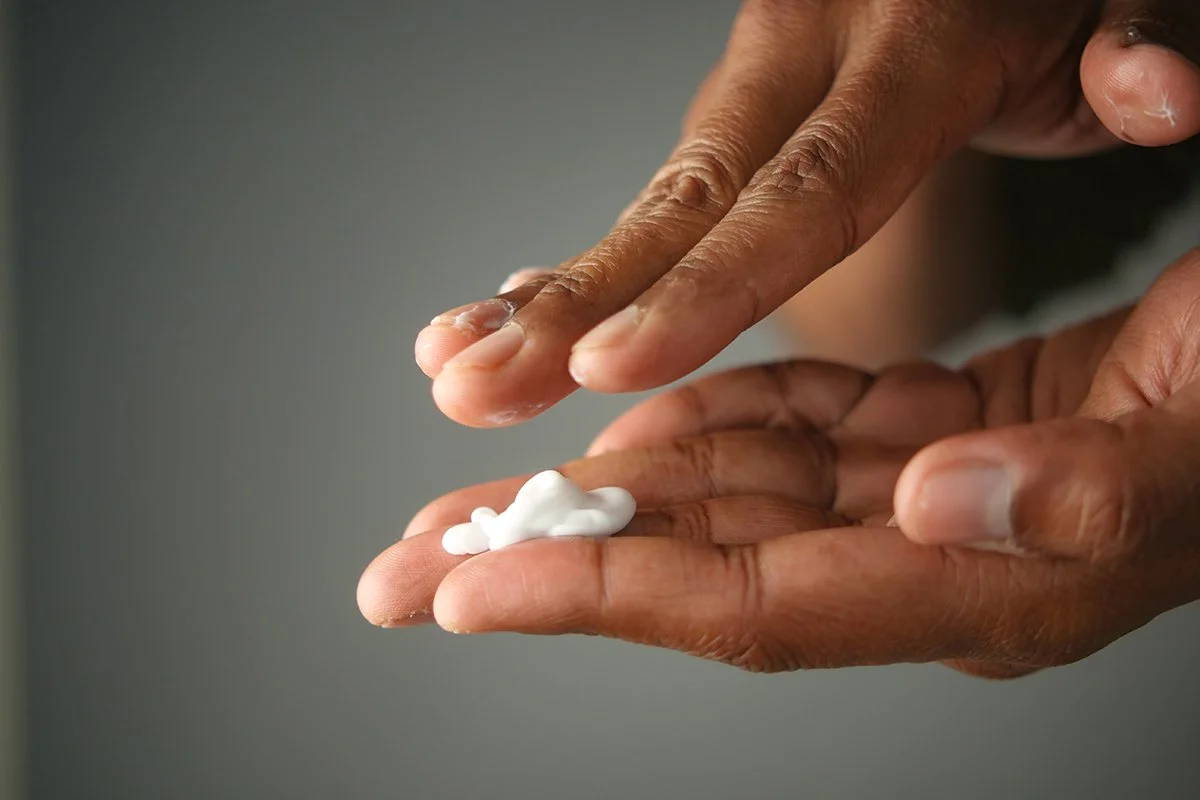
After a long, tiring session, your skin is likely feeling raw. Hand balm helps rehydrate and replenish your skin before your next session. Climbing brands offer a wide range of skin creams to help you recover quickly. You can also use working hands or other non-specific moisturizers to help revitalize your skin. Use what works best for you.
Optional Items:
Some climbers also carry things like a small first‑aid kit or nail clippers.
You don’t need all 10 items on day one. Start with a few that solve your biggest pain points—like shoes that fit, chalk that matches your gym’s rules, and a way to care for your skin—and build from there. The more intentionally you pack your bouldering kit, the more you can focus on climbing.
Before your next session, pick 2–3 items from this list to add to your bag—then adjust over time as you learn what your body, skin, and schedule need most. If you’re unsure where to start, chat with your gym staff about which gear they see regulars using.