The Best At-Home Injury Prevention Exercises for Climbers
You do not need a full gym setup to support your climbing. A handful of well-chosen exercises can help strengthen the muscles and supporting tissues that take the most stress on the wall.
Climbing comes with some injury risk, but prevention does not have to be complicated. Many of the most useful exercises can be done at home while you watch TV, listen to a podcast, or take a break between work calls. They may not be the most exciting part of training, but they can help you climb longer, move better, and reduce the risk of avoidable overuse problems over time.
Why Injury Prevention Matters for Climbers
Climbing places repeated stress on several areas of the body, especially when you are pulling hard, gripping small holds, or moving through awkward positions. A little preventive work can go a long way toward keeping those areas strong, mobile, and more resilient.
Here are the main body regions worth paying attention to:
Shoulders
Elbows
Wrists and fingers
Hips
Knees
Ankles
Shoulders
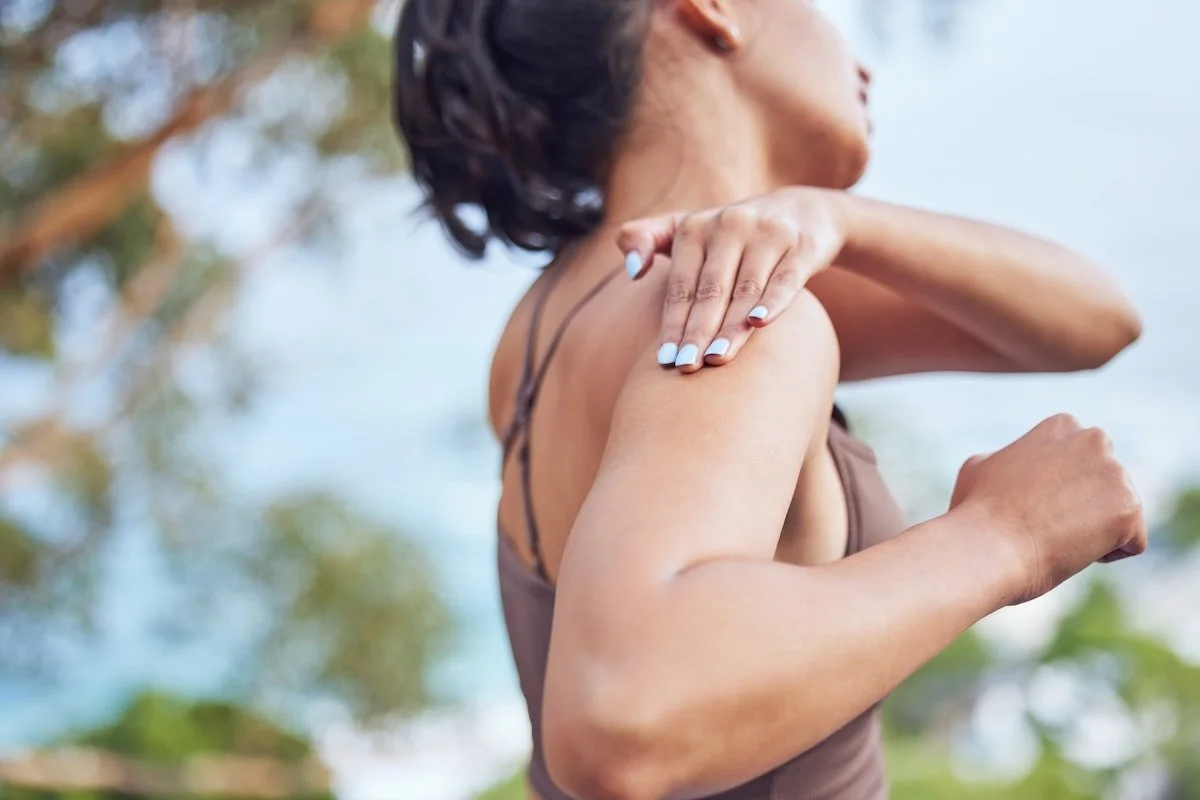
Shoulder pain is common in climbers. Repeated pulling, overhead loading, and dynamic moves can contribute to rotator cuff irritation, labral issues, and other shoulder overuse problems over time. To support shoulder health, focus on the rotator cuff, traps, lats, and serratus.
Elbows
Elbow pain often comes from overuse and repetitive gripping. This can show up as golfer’s elbow, tennis elbow, or irritation around the ulnar nerve, which may cause pain behind the elbow and numbness in the pinky. Supporting the forearm flexors, forearm extensors, triceps, and rotator cuff can help reduce strain through the joint.
Wrists and Fingers
Wrist and finger problems often overlap. A finger issue can change how you load the wrist, and a weak or irritated wrist can add stress to the fingers. Wrist issues in climbers can include tendon irritation and, in some cases, TFCC or other overuse-related problems. In the fingers, climbers often deal with pulley strains, flexor tendon irritation, or collateral ligament strains. Building forearm strength can be a useful part of supporting both areas.
Hips
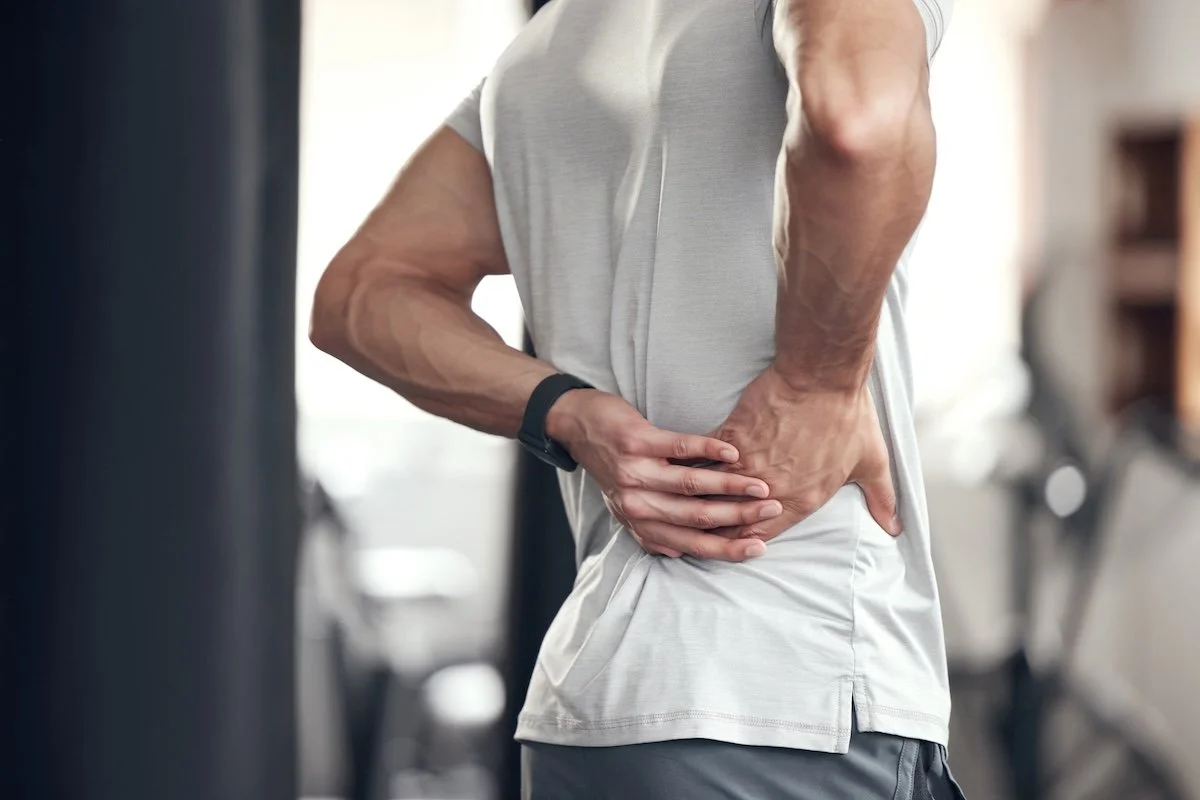
The hips do a lot of work in climbing, especially during high steps, cross-throughs, and compression moves. Deep hip positions can bother some climbers, especially if they already have hip impingement or limited hip mobility. Strong glutes, hip flexors, core muscles, and lower back muscles can help support better movement and control. Strong glutes, hip flexors, core muscles, and lower back muscles help support better movement and control.
Knees
Climbers can stress the knees during high steps, drop knees, awkward landings, and twisting movements. Climbers can stress the knees during high steps, drop knees, awkward landings, and twisting movements. These positions can contribute to knee pain, sprains, or meniscal irritation, especially when the joint is loaded awkwardly. Strong glutes and quads help stabilize the knee and distribute force more evenly.
Ankles
Ankle sprains are a common lower-extremity injury in climbing, and fractures can also occur, especially after bouldering falls or awkward landings. Strengthening the calves, shin muscles, and supporting tissues around the ankle can improve both stability and control.
The At-Home Equipment You Need
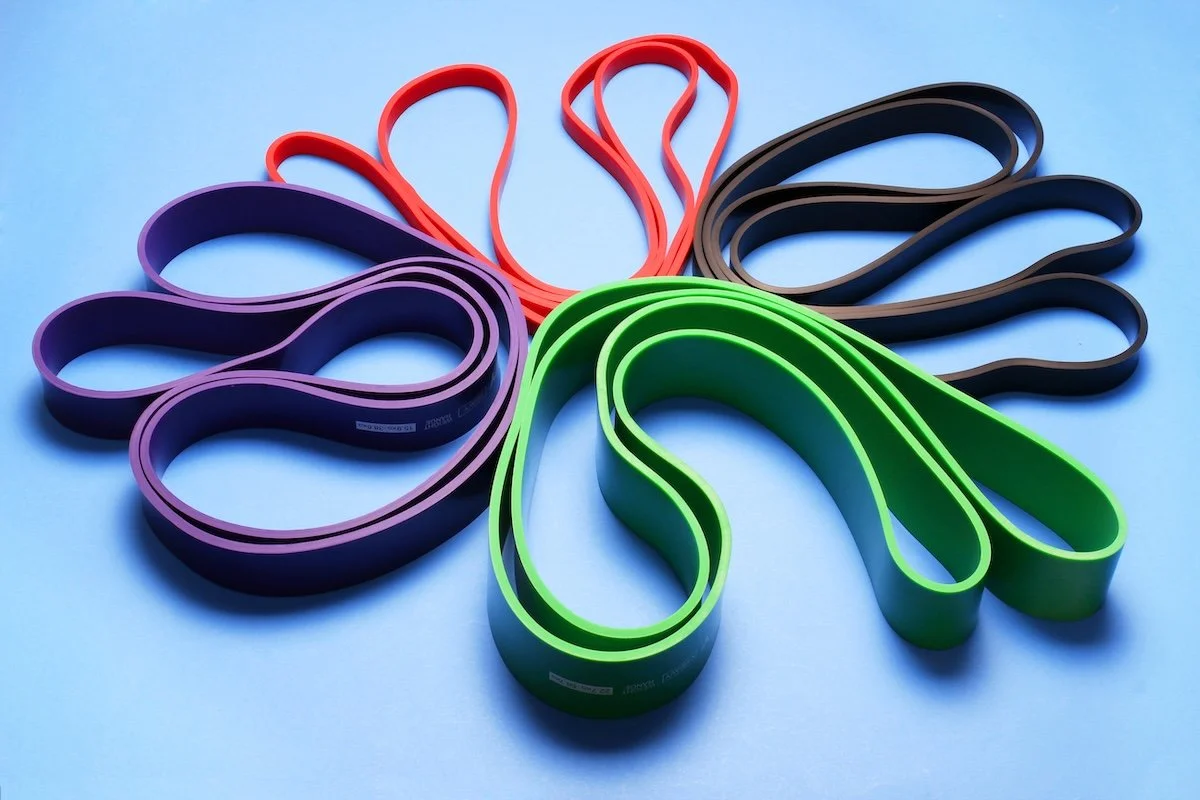
You do not need much equipment for this routine. A few simple tools will cover most of the exercises:
A light dumbbell in the 5- to 10-pound range
Best At-Home Injury Prevention Exercises for Climbers
Shoulders and Elbows
Shoulder and elbow health are closely connected. When the shoulder moves well and handles the load efficiently, the elbow usually has less stress to absorb. When the shoulder moves well and handles load efficiently, the elbow often has less stress to absorb. Improving shoulder strength and control can be one part of supporting elbow comfort.
Banded Internal Rotations: Improve rotator cuff strength and control.
Banded External Rotations: Build rotator cuff strength and support shoulder stability.
Banded Reverse Flys: Strengthen the rear shoulders, trapezius, and rhomboids.
Wrists and Fingers
Strong wrists and forearms can help the upper extremity handle load more efficiently, which may reduce unnecessary stress through the fingers. Finger pulley injuries can happen on their own, but building forearm strength can still improve the way the entire system handles stress.
Wrist Curls: Strengthen the forearm flexors.
Wrist Extensions: Strengthen the forearm extensors.
Ulnar and Radial Deviations: Build strength through the forearm while improving range of motion.
Hips
Healthy hips need both strength and mobility. Climbers use the hips in deep positions, wide stems, high steps, and technical foot placements, so it helps to train them through a full range of motion.
Prone Hip Extension: Strengthens the glutes for stronger hip extension.
90-90 with Heel Tap: Improves hip mobility and glute activation.
Seated Straight Leg Raise: Strengthens the hip flexors and core.
Knees
Strong knees usually start with strong hips and quads. When those muscles are doing their job, the knee joint is better supported during high steps, pivots, and landings.
Hip Airplanes: Improve glute strength, hip stability, and core control.
DNS Star Plank: Builds glute medius and deep core strength for better stability.
Single-Leg Squat: Strengthens the glutes, quads, hamstrings, and calves while improving single-leg control.
Ankles
Strong ankles are not just about calf strength. They also depend on the shin muscles, tendons, ligaments, and the ability to stay stable under load.
Banded Inversion, Eversion, Plantarflexion, and Dorsiflexion: Improve ankle mobility and condition the tissues that support the joint.
Single-Leg Calf Raises: Build calf strength and improve ankle control.
Anterior Tibialis Raises: Strengthen the shin muscles to improve ankle stability.
Make Injury Prevention Part of Your Routine
The best injury prevention plan is the one you will actually stick with. These exercises are simple enough to work into daily life, whether that means doing a set between meetings, while dinner cooks, or during your evening wind-down.
Consistency matters more than complexity. Over time, these small sessions can help strengthen the joints and muscle groups that climbing depends on most. And because the body works as a system, improving strength and control in one area can often support another.
If you want to keep climbing stronger for longer, start by adding a few of these movements to your weekly routine. Then pay attention to which areas feel better supported on the wall and build from there.