How to Plan a 3-Day Outdoor Climbing Trip
Summer is almost here, which means one thing: taking Friday off, heading to the crag, and staying through Sunday before driving back home. Whether you’re brand new to weekend climbing trips or you’ve been chasing every chance to get outside, a little planning goes a long way. Here’s how to organize a three-day outdoor climbing trip that feels fun, balanced, and worth the effort.
Keep the Drive Reasonable
One rule that has worked well for me is the five-hour rule. If I can’t get there in five hours or less, the trip probably deserves more than a three-day window.
Of course, it’s possible to drive six, seven, or even eight hours in a day. The bigger question is whether that travel time still leaves enough energy to enjoy the trip once you arrive. After a long drive, you still have to set up camp, organize your car, or hike in. Then you wake up the next day already feeling depleted.
Five hours tends to be the sweet spot. If you leave home early, you can still reach the crag with enough time to settle in, eat something decent, and maybe even climb a little that first day. On the way back, a reasonable drive also makes it easier to return home without feeling like you need another day off just to recover.
It’s not a hard rule, but it helps keep a short trip from turning into an exhausting one.
Organize the Trip Early
For a smoother weekend, start planning at least two weeks ahead of time. You do not need a minute-by-minute itinerary, but you should know the basics before you leave.
Try to lock in a few key details early:
Weather: Get a rough sense of conditions at the crag during your trip.
Partners: Confirm who’s going.
Gear: Decide what each person is bringing so nothing important gets missed.
Climbing areas: Know which walls, routes, or zones you want to focus on.
Transportation: Figure out who’s driving and how much car space you’ll have.
Budget: Decide what kind of weekend this is before you leave.
That last point matters more than people think. Maybe this is a restaurant-heavy, comfort-first trip. Maybe it’s a “Cheez-Its and gummy worms count as dinner” kind of weekend. Either approach can work. The important part is that everyone understands the plan before the trip starts. It is much easier to enjoy the weekend when your expectations match the reality.
Have a Backup for Navigation
Apps like Mountain Project are incredibly useful, but they are not much help when you lose service halfway to the trailhead. That’s why it is smart to have at least one non-digital or low-dependency backup.
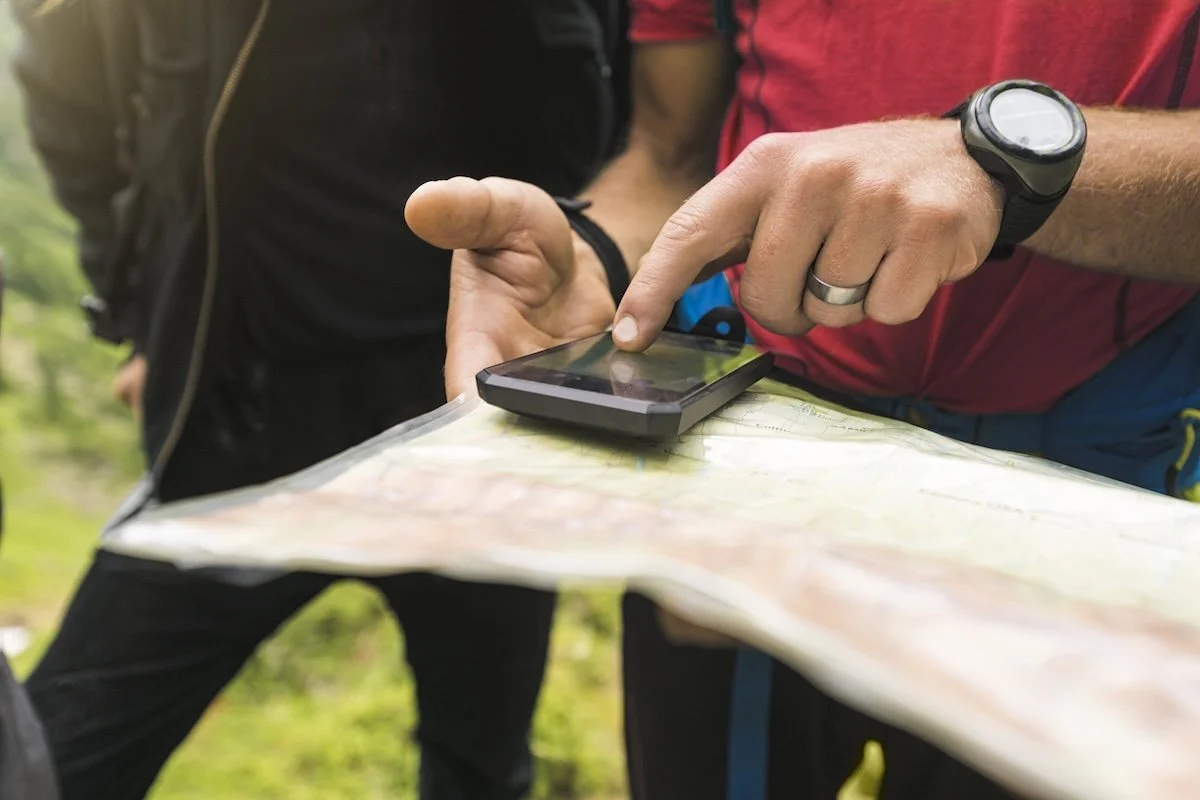
Your backup can be simple:
a downloaded map
a screenshot of directions
a guidebook
written notes with major landmarks
The goal is not to make the trip complicated. The goal is to build in a little redundancy so you are not stuck guessing once you are out of range.
There’s another bonus here too: guidebooks and local maps often point you toward other useful spots nearby, including restaurants, bars, beaches, live music venues, or rainy-day alternatives. A little preparation can improve more than just your approach to the crag.
Don’t Make the Whole Weekend About One Send
It can be tempting to build the entire trip around one route, one boulder, or one big objective. Maybe it’s your hardest project. Maybe it’s a new multipitch. Maybe it’s just a line you’ve been thinking about for weeks.
But if your whole weekend depends on sending one climb, you’re setting yourself up for unnecessary pressure. Weather changes. Skin falls apart. Someone gets hurt. Conditions are off. You have an unexpectedly low-energy day. Any one of those things can shift the outcome.
A weekend climbing trip should still leave room for fun, rest, and connection. Climbing is one of the best ways to be present, but that feeling disappears fast when the whole trip turns into a performance test.
Instead, make the send a bonus, not the only measure of success. Focus on spending time outside, climbing with people you like, and enjoying the place you worked to get to. The rock will still be there next time.
Make the Trip Worth Taking
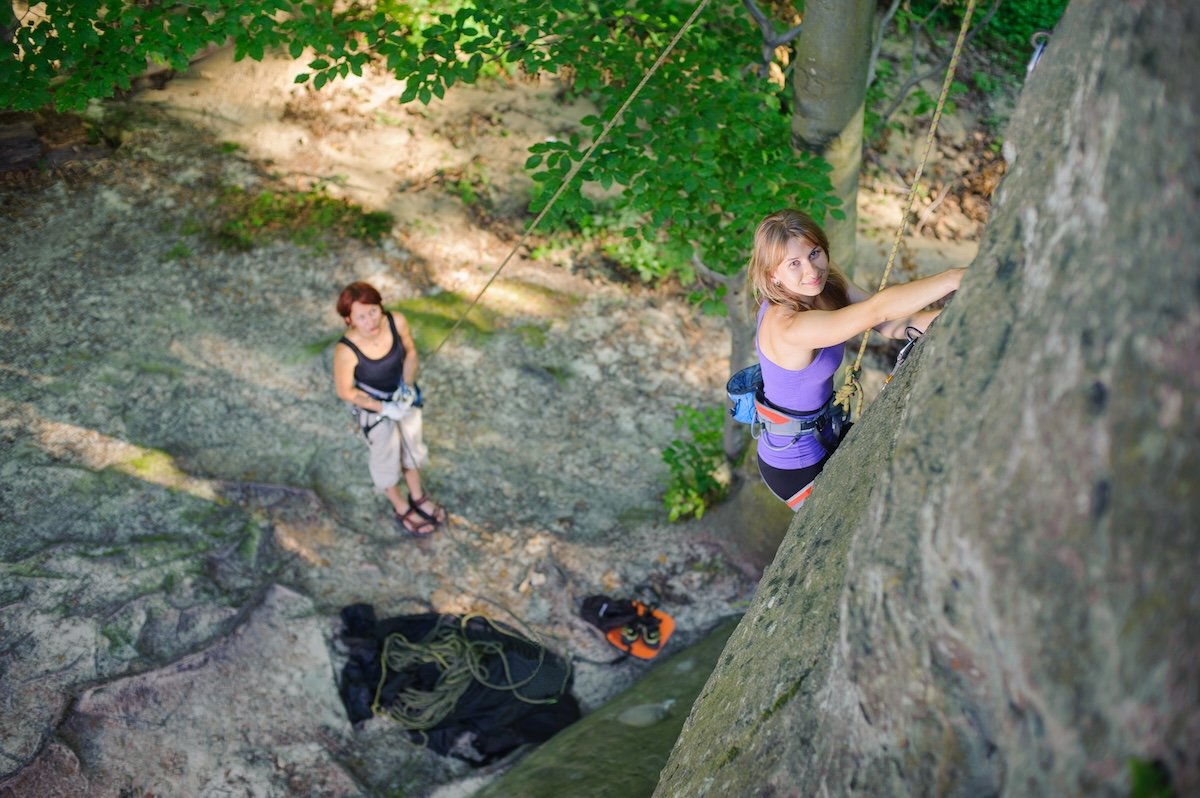
Most climbers are weekend warriors, not professionals. That means a great trip is not just about performance. It is about planning, keeping travel realistic, and giving yourself room to enjoy the outdoors instead of stressing through every detail.
If you organize the basics early, keep expectations reasonable, and stay flexible, a three-day climbing trip can feel like exactly what it should be: a break from the noise of everyday life and a chance to enjoy being outside.
Don’t Focus on Just Sending
While it may seem counterintuitive, don’t plan your whole trip on sending that one route. It could be an insanely hard project, or a new multipitch, or a boulder with incredible features, but it’s a weekend trip away from work, away from the business of life. Use that time to relax and also connect with others! Rock climbing is an incredible sport that focuses us to be present–yes–but the moment we add an external pressure onto ourselves, where a weekend trip to get away becomes, “I have to send this project,” the fun comes out of it. What happens if you get injured right before the trip? What happens if you have a high-gravity day on send day? What if it rains during the entire weekend? There are so many factors out of your control that still factor into whether or not you’ll be able to send a project. Focus on having fun and appreciating the outdoors. The rock will always be there in the future, and you probably will too!
Conclusion
The majority of climbers are weekend warriors, not professional climbers. It’s important to do your due diligence when taking a trip outdoors by planning, keeping your expectations focused on having fun, and keeping travel time reasonable. All-in-all be sure to have fun this summer when going outside! The outdoors is meant to be enjoyed, not stressed over!