Which is Better for Rock Climbers: Dynamic vs. Static Stretching?
Climbing asks a lot of your body. One move might demand hip mobility, another overhead shoulder stability, and the next finger, wrist, and core tension. If you start cold, those positions can feel stiff, awkward, and harder than they need to.
That’s where stretching comes in—but not every type of stretching belongs at the same point in your session.
Dynamic stretching is best before you climb because it raises your heart rate, increases blood flow, and takes your joints through a controlled range of motion. Static stretching is better after climbing, when your muscles are warm and more receptive to longer holds.
For most climbers, the question is not dynamic or static stretching. It is when to use each one. Used together, they can help you prepare for hard movement, move more comfortably on the wall, and recover more effectively afterward.
Why Dynamic Stretching Works Best Before Climbing
A good climbing warm-up should do more than simply make you feel loose. It should gradually prepare your body for the specific demands of climbing.
Dynamic stretching helps by:
increasing blood flow to your muscles
raising your heart rate
moving major joints through a full range of motion
activating the muscle groups you rely on when you climb
Because climbing is a full-body sport, your warm-up should target the shoulders, elbows, wrists, hips, knees, and ankles—not just one or two areas.
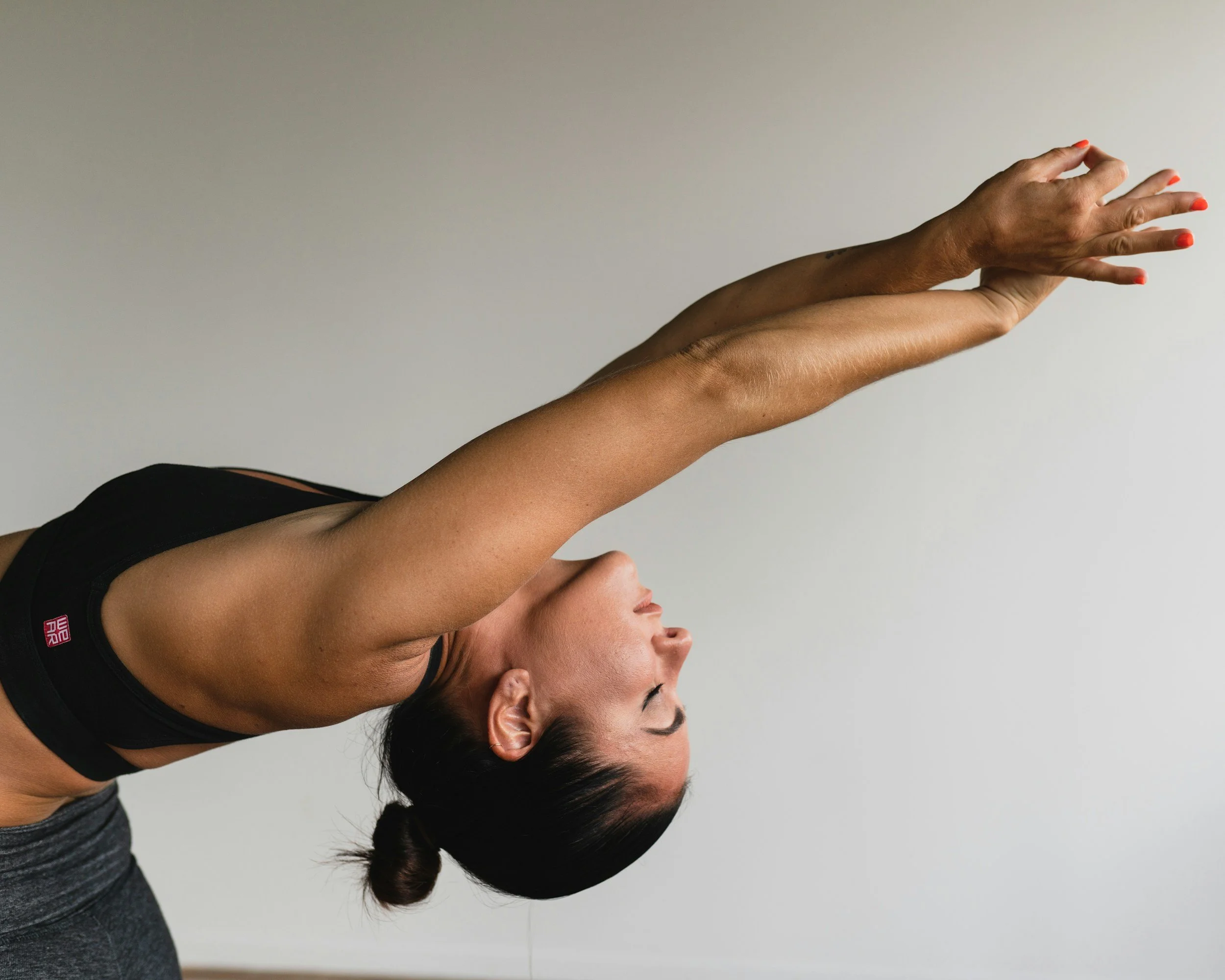
A simple way to structure your warm-up is to set a 10-minute timer and cycle through 10 movements. Perform each exercise for 45 seconds, then rest for 15 seconds before moving to the next one.
Sample Dynamic Stretching Warm-Up
Time: 10 minutes
Format: 45 seconds work, 15 seconds rest
Mobilizes the shoulders and hips while engaging the back, shoulders, core, glutes, quads, and calves.
Takes the ankles, knees, and hips through a full range of motion while increasing blood flow to the hamstrings and glutes.
Moves the shoulder joint through a full range of motion and activates the posterior shoulders and upper back.
Opens the hips and increases blood flow to the glutes.
Works the hips, knees, and ankles through a functional range of motion while activating the core, glutes, quads, hamstrings, and calves.
Challenges shoulder mobility and core control while also engaging the chest and triceps.
Warms up the lower body and core through a range of motion that mirrors step-ups and rotational climbing movements.
Moves the wrists through flexion and extension while warming up the forearm and finger tendons.
Activates the shoulders, upper back, arms, and forearms while preparing the shoulder girdle for pulling.
Raises your heart rate and warms up the whole body through a large range of motion.
Why Static Stretching Fits Better After Climbing
After a session, your muscles are already warm. That makes post-climb cooldowns a better time for static stretching, especially if your goal is to reduce tension and maintain or improve flexibility.
Static stretching works best when you hold each position long enough to let the muscle relax. In most cases, that means holding a stretch for at least 30 seconds and up to 2 minutes while breathing slowly and letting your body settle deeper into the position.
A post-climb cooldown can help you:
release tension built up during climbing
restore range of motion in overworked muscles
improve flexibility over time
transition out of a high-effort session more gradually
Sample Static Stretching Cooldown
Time: About 10 minutes
Format: Hold each stretch for 60 seconds
Child’s Pose Lat Stretch(left and right)
Walking your arms to the side deepens the stretch through the side body and targets the shoulders, back, and glutes.
Stretches the shoulders, upper back, and mid-back to support shoulder movement and thoracic extension.
Elevated Pigeon Stretch(left and right)
Targets the glutes and hips to improve hip mobility.
Opens the chest and front of the shoulders, which can feel especially tight after climbing.
Couch Stretch(left and right)
Stretches the hip flexors and quads to counter the tightness that can build from repeated high steps and body tension.
Opens the shoulders and mid-back while supporting upper-body mobility.
Decompresses the spine, opens the shoulders, and provides a deep stretch through the lats.
So, Which Is Better for Rock Climbers?
If you are choosing a warm-up, dynamic stretching is the better option before climbing. It prepares your body for movement, helps you feel more coordinated, and gets key joints and muscles ready for the demands of the wall.
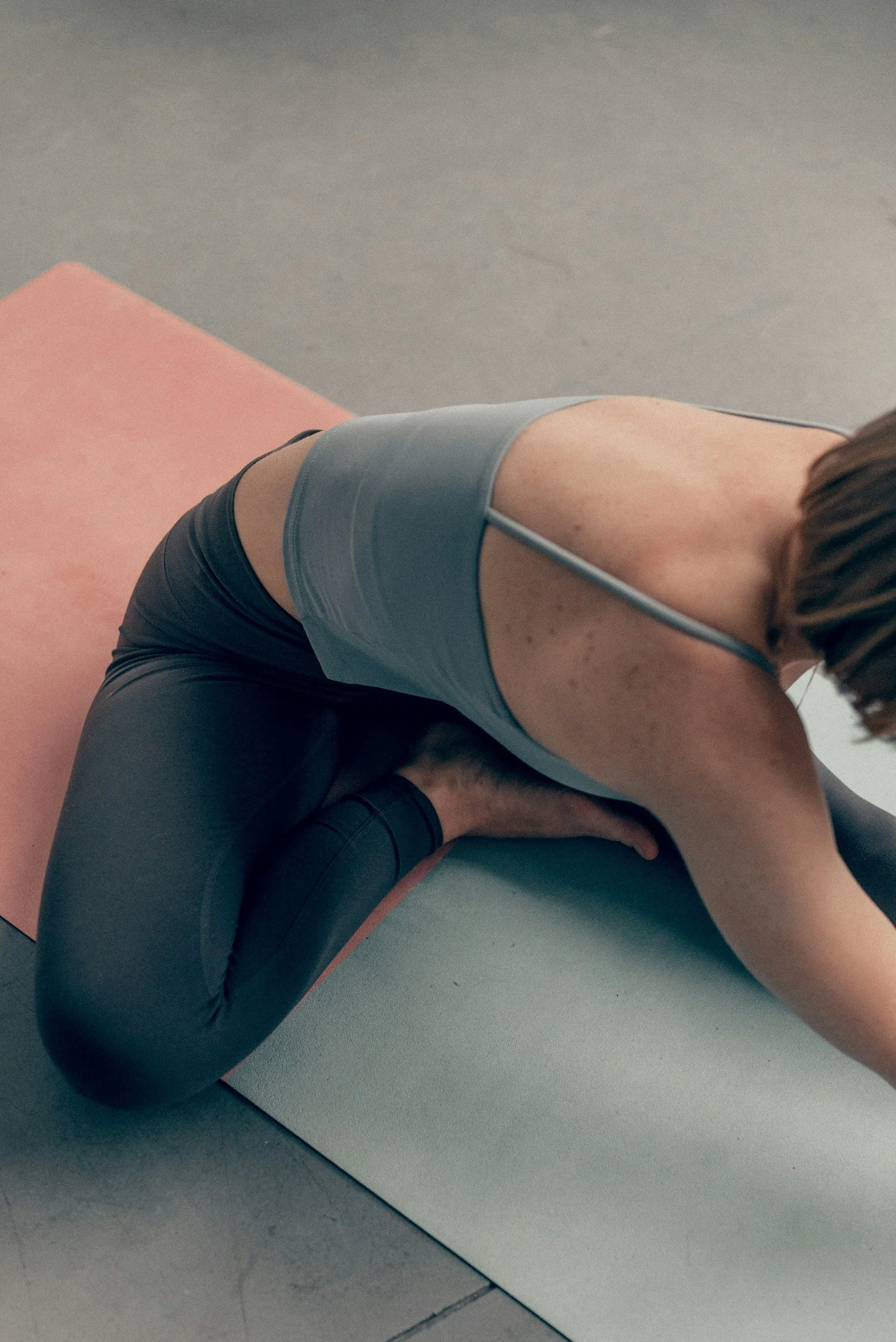
If you are cooling down, static stretching is the better choice after climbing. It helps you relax tight areas, maintain mobility, and support recovery after a hard session.
The best overall approach is to use both at the right time:
Before climbing: dynamic stretching to warm up and activate
After climbing: static stretching to cool down and restore mobility
Focus on the muscle groups and joints that climbing stresses most—especially the shoulders, elbows, wrists, hips, knees, and ankles. You can use the sample routines above or build your own. The most effective routine is the one you will actually do consistently.
Over time, that consistency can help you climb with better movement quality, feel less stiff before and after sessions, and support a stronger, healthier body for the long term.